
Investment Focus Areas
The five Investment Focus Areas under TIDIP represent common investment themes across the steel, cement, aluminium and fertiliser sectors. Each area is grounded in the analysis set out in the sectoral Low-Carbon Pathways (LCPs) and focuses on specific technology, infrastructure and financing needs in line with Türkiye’s evolving policy framework.
Green Hydrogen
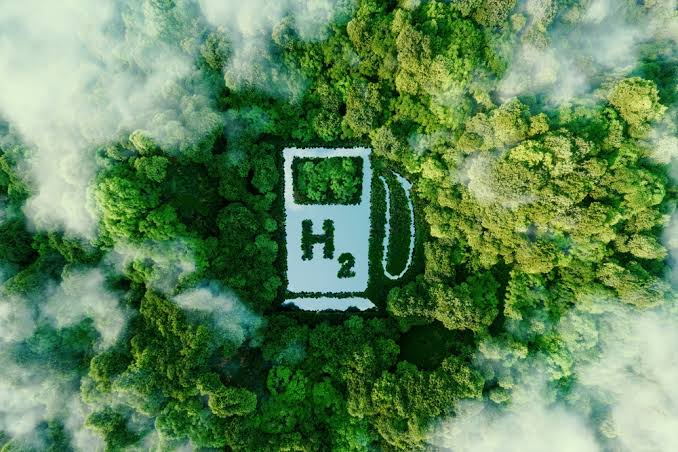
Hydrogen is positioned as a key input for deep decarbonisation in Türkiye's hard-to-abate sectors. Its importance grows as the transformation moves beyond energy efficiency and incremental fuel switching. Across the four LCP focus sectors, hydrogen plays a role at process, plant and system level through production, storage and distribution infrastructure that enables industrial demand at scale.
Hydrogen-based DRI (Direct Reduced Iron) is the principal hydrogen application in iron and steel, while green and blue ammonia are significant abatement measures in fertilizers. In cement and aluminium, hydrogen is treated as a more selective and longer-term process or fuel option. The iron and steel and fertilizer sectors offer the strongest anchor demand signals; coordinated development of demand can strengthen the financial viability of shared infrastructure.
For Türkiye, green hydrogen represents both an industrial transformation opportunity and a potential new value chain. The country's expanding renewable energy capacity, strategic industrial base and proximity to international markets create favourable conditions for future hydrogen use. Potential investments span the entire value chain, including renewable energy generation, electrolysers, hydrogen storage facilities, transport infrastructure and industrial conversion projects. As technologies continue to mature and scale globally, green hydrogen is expected to play an increasingly important role in supporting the long-term transformation of industrial production.

Carbon Capture, Utilisation and Storage (CCUS)
Carbon Capture, Utilisation and Storage (CCUS) is an important technology for reducing emissions from industrial processes that inherently generate carbon dioxide. This is particularly important in sectors such as cement production, where a significant share of emissions arises from chemical reactions rather than from energy use. CCUS technologies capture CO₂ before it enters the atmosphere and either store it permanently underground or use it as a feedstock in industrial applications. By capturing carbon dioxide emissions from industrial processes and storing or reusing them, CCUS can help address some of the most difficult emission challenges facing hard-to-abate sectors.
The deployment of CCUS in Türkiye could enable significant emission reductions in sectors that are expected to remain strategically important for the national economy. Beyond capture equipment at industrial facilities, large-scale deployment will require supporting infrastructure such as CO₂ transport networks, storage sites and monitoring systems. Investment opportunities therefore extend beyond individual industrial facilities and include the development of industrial clusters, shared infrastructure and specialized service providers. As industries seek to meet future climate requirements while maintaining production capacity and international competitiveness, CCUS may become increasingly important.
Energy Efficiency and Circular Economy
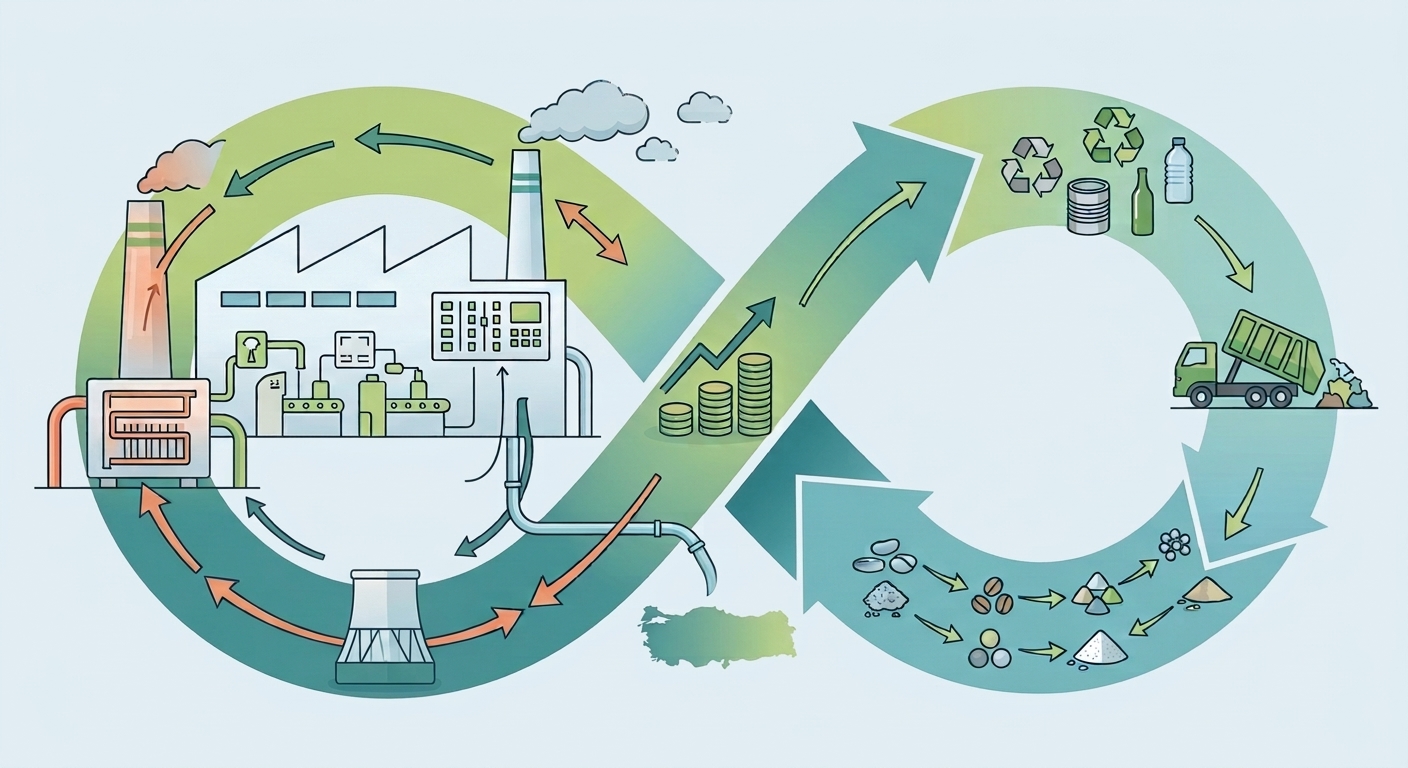
Energy efficiency and circular economy measures represent some of the most cost-effective ways of reducing industrial emissions while improving productivity. Energy efficiency focuses on reducing the amount of energy required to produce industrial output through process optimisation, equipment upgrades, digital management systems and waste heat recovery. Approaching resources through a circular logic promotes practices such as recycling, material recovery, industrial symbiosis and efficient resource use, substantially reducing dependence on natural/virgin resources.
In Türkiye, opportunities exist across all major industrial sectors. Examples include waste heat recovery systems at cement plants, higher-quality scrap collection and processing systems for steel and aluminium production, and increased use of alternative raw materials and industrial by-products. These investments can lower operating costs, reduce dependence on imported resources and strengthen supply chain resilience. As many solutions are already commercially available, this focus area offers significant near-term potential for emission reduction and industrial modernisation.
Renewable Electricity for Industry
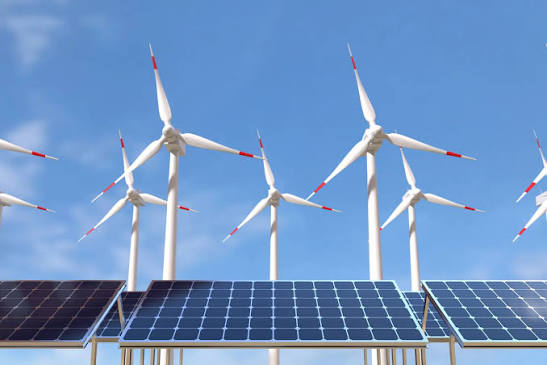
Renewable electricity is a fundamental enabler of the transition to a low-carbon industrial economy. As industrial processes become increasingly electrified, access to reliable and affordable renewable electricity will be essential in order to reduce indirect emissions and maintain competitiveness. Renewable electricity can be supplied through on-site generation, direct power purchase agreements or grid-based renewable energy systems.
For Türkiye's industrial sector, renewable electricity supports both immediate emission reductions and long-term competitiveness. The IPPS (TIDIP Investment Plan and Policy Strategy) highlights the importance of industrial access to renewable energy, grid reinforcement and credible certification systems that demonstrate renewable energy use. Investments may include solar and wind generation projects, industrial energy storage, smart energy management systems, grid connections and renewable energy procurement mechanisms. Growing demand for low-carbon products in international markets further strengthens the investment case for renewable electricity across Türkiye's industry.

Emerging Climate Technologies and Green Markets
Emerging climate technologies are required to deliver the remaining emission reductions where mature measures are not sufficient to reach 2053 net zero targets. Technology options differ by sector and are complemented by evolving green market instruments.
Achieving deep industrial decarbonisation will require the continued development and deployment of innovative technologies capable of supporting long-term emission reductions. These include advanced electrification technologies, next-generation industrial processes, digital optimisation solutions, innovative materials and other low-carbon production methods. The investment focus area also recognizes the importance of developing markets that create demand for low-carbon industrial products.
Türkiye's strong manufacturing capacity and growing innovation ecosystem offer opportunities for piloting and scaling new climate technologies. Investment opportunities include demonstration projects, industrial innovation facilities, technology testing programmes and the commercialisation of low-carbon solutions. At the same time, the growth of green procurement practices, sustainable finance frameworks and low-carbon product markets can help create stronger demand signals for industrial decarbonisation investments. Together, technology innovation and market development can support a more competitive, resilient and future-oriented industrial economy.